This cooperative exhibition project is dedicated in many ways to the life and fate of
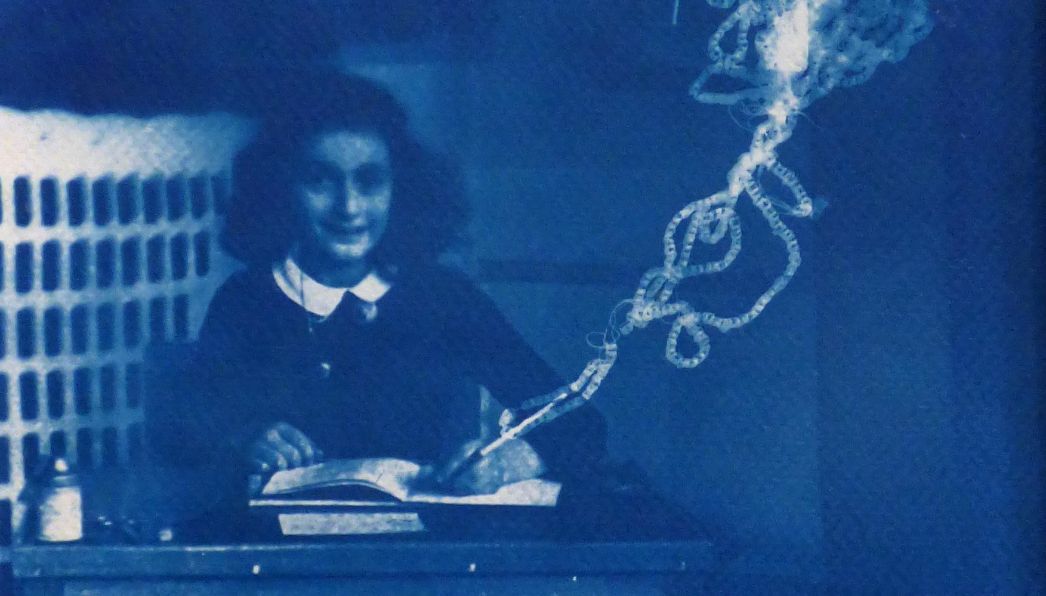
Yours, Anne. A girl makes history
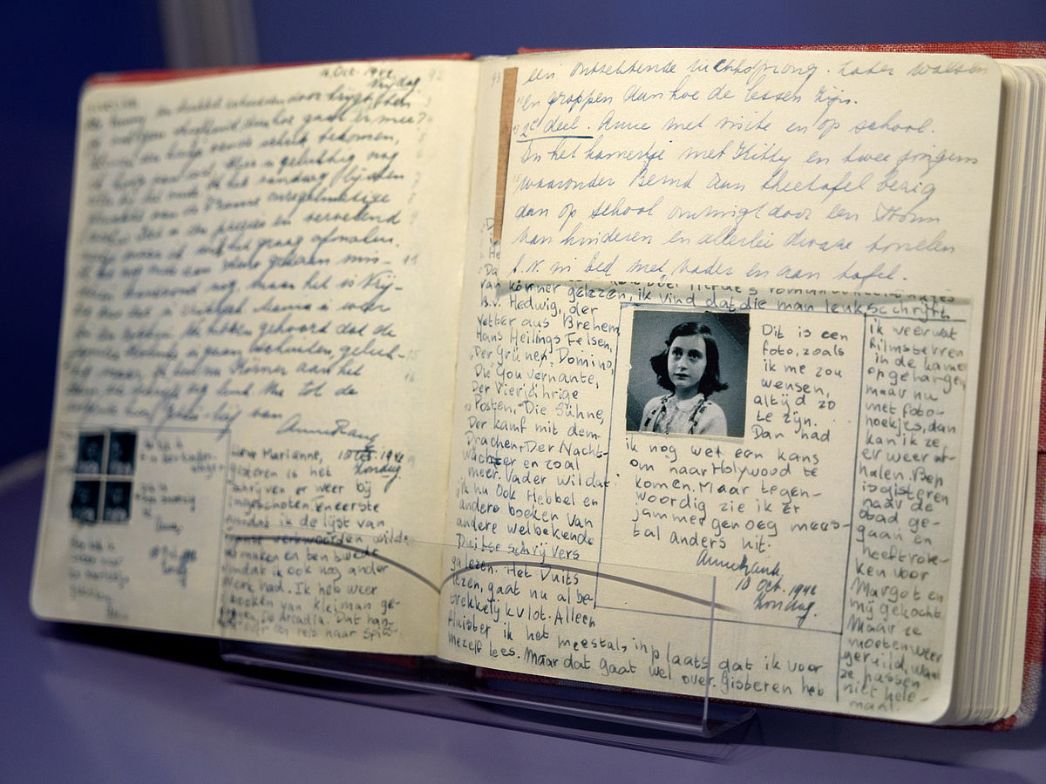
The temporary exhibition at the Museum of Forced Labor offers insights into the life of Anne Frank and conveys the social and historical context of the persecution of Jews under National Socialism. In addition to the perspective of the persecuted and their helpers, the perspective of bystanders and perpetrators is also presented. Based on quotes from Anne Frank's diary, the exhibition addresses young people directly with questions about identity, group belonging and discrimination: Who am I? Who are we? Who do I exclude? Short films featuring young people motivate to discuss on these topics. With the question ‘What can I do?’, the exhibition encourages visitors to get involved themselves.
Peer-to-peer method
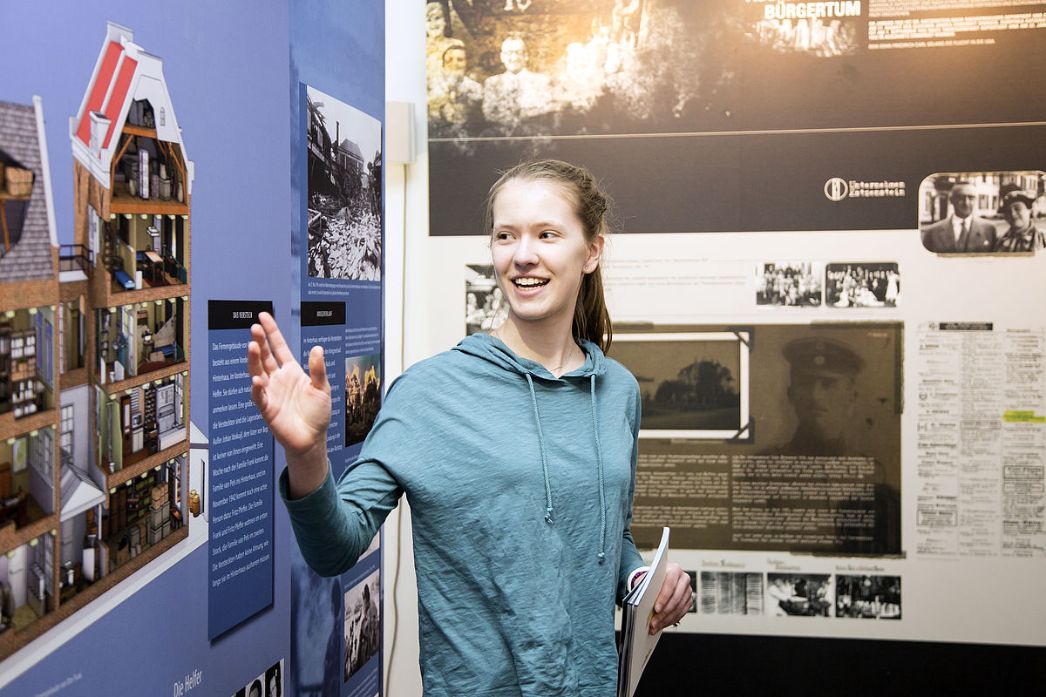
At the heart of the exhibition project is the concept of peer education, i.e. ‘young people guiding young people’. Pupils from three schools in Weimar are trained in advance to act as peer guides, leading other young people through the exhibition.
The pupil participants from various schools in central Thuringia spend one to three project days exploring the topic of exclusion and inequality in different ways. They gain insights into these subjects, and discuss them. Furthermore, they reflect on what they can learn from them today and how they can actively counteract these mechanisms.
Workshop with the German War Graves Commission
In addition to the peer-to-peer guided tour of the Anne Frank exhibition, students will have the opportunity to explore Weimar's main cemetery and selected memorial sites with the Volksbund Deutsche Kriegsgräberfürsorge e.V. (German War Graves Commission). This workshop focuses on biographies of war dead and changes in war graves as a result of shifts in remembrance culture. Individual life stories and shifting cultures of remembrance are used as examples to discuss key issues relating to human rights and democracy, as well as consequences of nationalistic and racist thought patterns.
Workshops with the EJBW and the Weimar School of Painting and Drawing
For those schools that have applied for a three-day project in Weimar, colleagues from the European Youth Education and Meeting Centre in Weimar (EJBW) and the Weimar School of Painting and Drawing (Weimarer Mal- und Zeichenschule e.V.) offer additional workshops and seminars.
The EJBW seminar ‘Social Inequality in History & Today’ explores the construction of prejudices and stereotypes in the past and present, as well as the phenomenon of ‘othering’. The understandings acquired during the workshop can help to reduce discrimination such as classism, sexism, anti-Semitism but also bullying.
The Weimar School of Painting and Drawing uses biographical learning and artistic methods to explore the topic 'exclusion and coexistence' with its students. Using techniques such as cyanotype and watercolour, young people reflect on the life of Anne Frank and express their own thoughts and feelings creatively. These spaces of experience can serve as approaches for young people to make the unspeakable and incomprehensible tangible.
Public offer
Individual visitors can visit the temporary exhibition during the regular opening hours of the Museum of Forced Labor, Tuesday to Sunday from 10 a.m. to 6 p.m. Admission is included in the museum ticket (€ 5, reduced € 3).
In addition, there will be three public exhibition tours led by young peer guides:
Saturdays, 14, 21 and 28 March 2026, 11 a.m. to 1 p.m. Tickets cost € 7, reduced € 3 (incl. admission)